
Welcome to Nutrition Knowledge Hub

Understanding the relationship between food, energy, and body composition is fundamental to making informed decisions about nutrition and health. This educational resource explores the science behind body weight and nutrition from the perspective of evidence-based research and British health recommendations.

Our mission is to provide clear, science-backed information about how the body processes food, the role of different nutrients, and the factors that influence body weight. We focus on explaining concepts rather than prescribing individual solutions.

Educational content only. No medical services. No promises of outcomes. This site provides informational content and does not replace professional medical advice.

Key Concepts in Body Weight

Understanding Energy Balance

Body weight is fundamentally influenced by the balance between energy intake (calories from food) and energy expenditure (calories burned through metabolism and activity). This concept, known as energy balance, is central to understanding how body weight changes.

When energy intake exceeds expenditure, the body stores excess energy as fat tissue. Conversely, when expenditure exceeds intake, the body mobilises stored energy. Metabolism—the total amount of energy your body uses—varies based on factors including age, sex, muscle mass, and genetics.

Metabolic Rate

Basal metabolic rate (BMR) is the energy your body requires at rest to maintain essential functions like breathing and circulation. Physical activity, thermic effect of food, and daily movement all contribute to total daily energy expenditure.
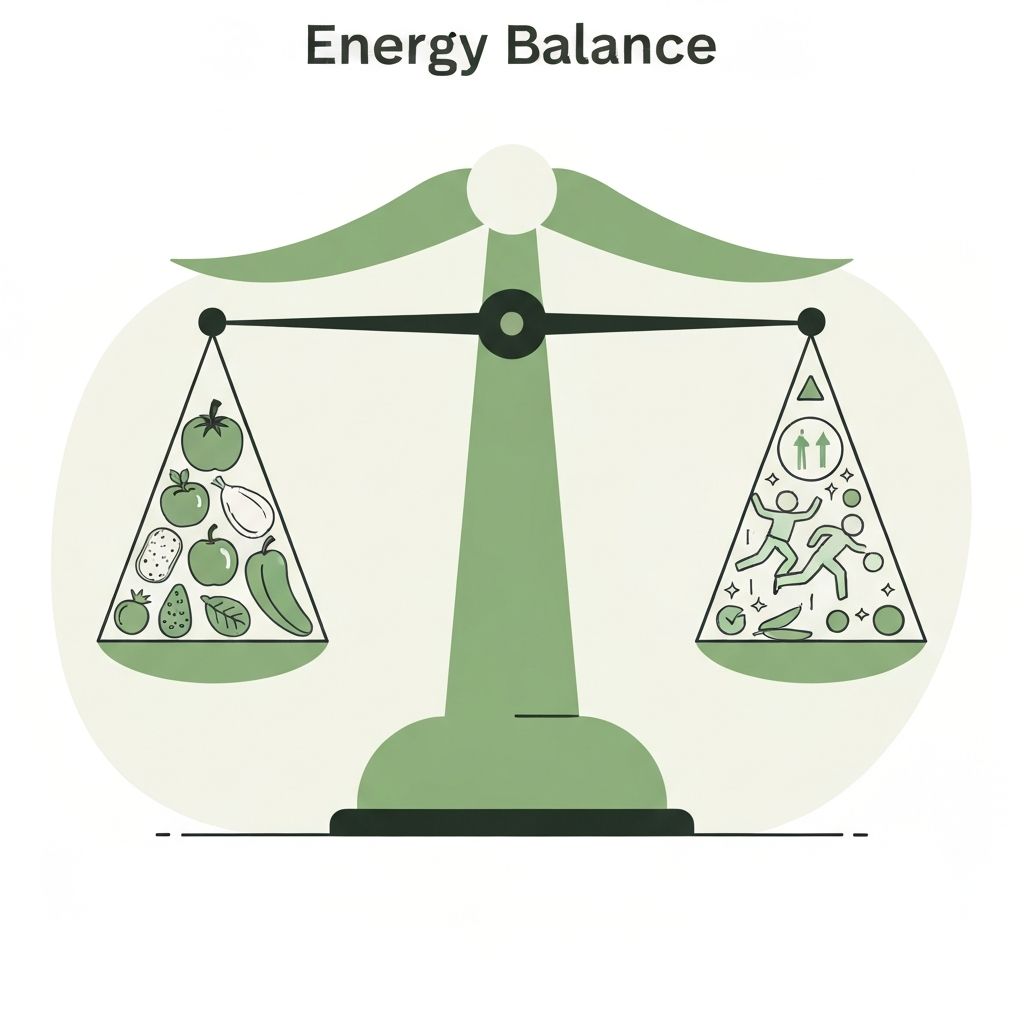

Energy balance concept illustration

Role of Food Groups

Protein-rich foods including salmon, eggs, and legumes

Macronutrients Explained

Proteins are essential for building and repairing tissues, including muscle. They also play a crucial role in hormone production and immune function. Good sources include fish, eggs, legumes, and poultry.

Carbohydrates provide energy for daily activities and exercise. Whole grains, vegetables, and fruits contain fibre, which supports digestive health and helps maintain stable blood sugar levels.

Fats are vital for hormone production, brain health, and the absorption of fat-soluble vitamins. Healthy sources include olive oil, nuts, seeds, and fatty fish rich in omega-3 fatty acids.

Micronutrients and Health

Vitamins and minerals support countless bodily functions—from bone health to immune response. Fresh vegetables, fruits, and whole grains provide a spectrum of micronutrients necessary for optimal health.

British nutrition guidelines recommend a varied diet rich in vegetables, fruits, whole grains, and lean proteins. This diversity ensures your body receives the full range of nutrients it needs.

Healthy carbohydrates and fats including whole grain bread, nuts, and olive oil

Physical Activity Insights

Person jogging through a park with greenery

Movement and Energy Expenditure

Physical activity contributes significantly to daily energy expenditure. Beyond structured exercise, everyday movement—walking, occupational activity, and fidgeting—plays an important role in overall energy balance.

Regular activity also preserves and builds muscle tissue, which is metabolically active and supports healthy body composition. The British health guidelines recommend at least 150 minutes of moderate-intensity activity per week for adults.

Different types of activity serve different purposes: aerobic exercise supports cardiovascular health, while strength training maintains muscle mass and bone density.

Sleep and Stress Factors

The Impact of Sleep Quality

Sleep plays a critical role in regulating hormones that influence appetite and satiety. Poor sleep is associated with disrupted hunger signalling, potentially affecting food intake patterns. Most adults require 7-9 hours of quality sleep per night for optimal health.

Stress and Body Weight

Chronic stress elevates cortisol levels, which can influence how the body stores fat and regulates appetite. Stress management—through meditation, exercise, time in nature, or social connection—supports overall metabolic health.

Both sleep and stress management are integral to a balanced approach to body weight and overall wellbeing, working alongside nutrition and activity.

Peaceful bedroom representing good sleep quality

Explore More

Discover in-depth articles on specific nutrition topics:

Colorful fruits and whole grains

Energy Balance

Understand how calories, metabolism, and daily activity influence body weight.

Read More →
Proteins, carbs, and fats separated

Macronutrients

Learn about proteins, fats, and carbohydrates and their roles in nutrition.

Read More →
Calming sleep illustration

Sleep & Stress

Explore how sleep quality and stress management affect metabolic health.

Read More →

Frequently Asked Questions

Q: What is a calorie?
A calorie is a unit of energy. In nutrition, we measure the energy content of foods in calories. One kilocalorie (kcal) is commonly referred to as a "calorie" on food labels.
Q: Why is metabolism different for different people?
Metabolic rate varies based on age, sex, body composition, genetics, and hormonal factors. Muscle tissue requires more energy to maintain than fat tissue, so individuals with more muscle typically have higher metabolic rates.
Q: Are all carbohydrates the same?
No. Whole grain carbohydrates, which contain fibre, are digested differently than refined carbohydrates. Whole grains provide sustained energy and support digestive health.
Q: Is fat unhealthy?
Dietary fat is essential for health. Unsaturated fats, found in olive oil, nuts, and fish, support heart and brain health. All types of fat are energy-dense, so portion awareness is helpful.
Q: How much water should I drink?
Water needs vary based on activity level, climate, and individual factors. General guidance suggests drinking enough to maintain adequate hydration, with thirst being a reasonable indicator.
Q: Does skipping meals help with weight?
Skipping meals can lead to overeating later and may negatively affect energy levels. Regular, balanced meals support stable blood sugar and sustained energy throughout the day.
Q: What role does fibre play in nutrition?
Dietary fibre supports digestive health, helps maintain stable blood sugar levels, and contributes to satiety. Whole grains, vegetables, and fruits are excellent sources of fibre.
Q: How does age affect metabolism?
Metabolic rate typically decreases with age, partly due to natural changes in muscle mass and hormone levels. Physical activity and strength training can help maintain metabolic health throughout life.
Q: Are supplements necessary?
A balanced diet provides most necessary nutrients. Supplements may be helpful in specific circumstances, such as vitamin D deficiency in winter months, but this should be discussed with a healthcare professional.
Q: Can genetics affect body weight?
Genetics influence metabolism, appetite regulation, and body composition. However, environmental factors—including nutrition and activity—also play significant roles in overall health and wellbeing.

Learn More About Healthy Eating

We encourage you to explore the scientific foundations of nutrition and body weight. Understanding these concepts empowers you to make informed decisions about your own health and wellbeing.

For personalised guidance, please consult a healthcare professional or registered dietitian.

Explore Articles